Grease traps and local food service businesses
Southeast of Berkeley, Newark kitchens may use compact indoor traps or buried interceptors. In either unit, grease rises above the wastewater. Material left inside too long can obstruct the outlet, leaving dish sinks slow to drain and interrupting cleanup.
Look under the sink or beneath a floor cover for an indoor trap. An in-ground interceptor typically has outdoor access covers, and larger units are emptied by vacuum truck. Call to discuss grease trap pumping or grease interceptor pumping. A provider serving Newark can suggest a schedule that accounts for kitchen use and local requirements.
Grease trap services in Newark, CA
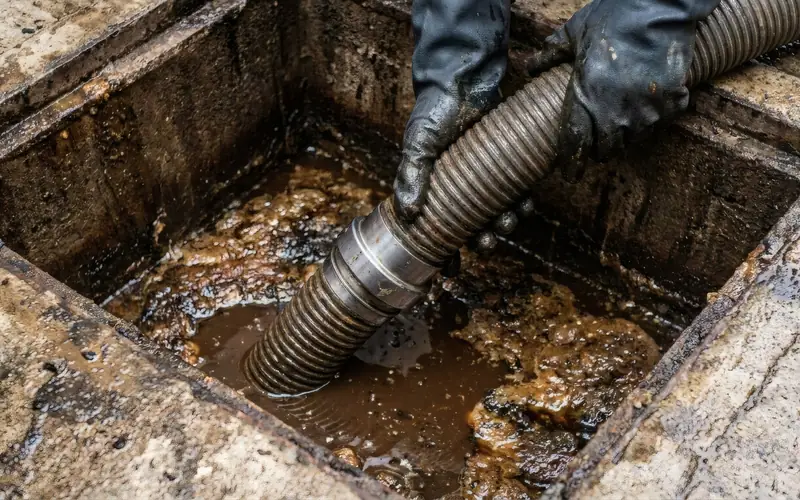
Grease Trap Pumping
Small indoor traps and in-ground interceptors have different layouts. For a trap, pumping takes out accumulated material, whereas cleaning also tackles residue stuck to accessible surfaces. Choose grease trap pumping if grease, wastewater and food solids need to be emptied from the unit.
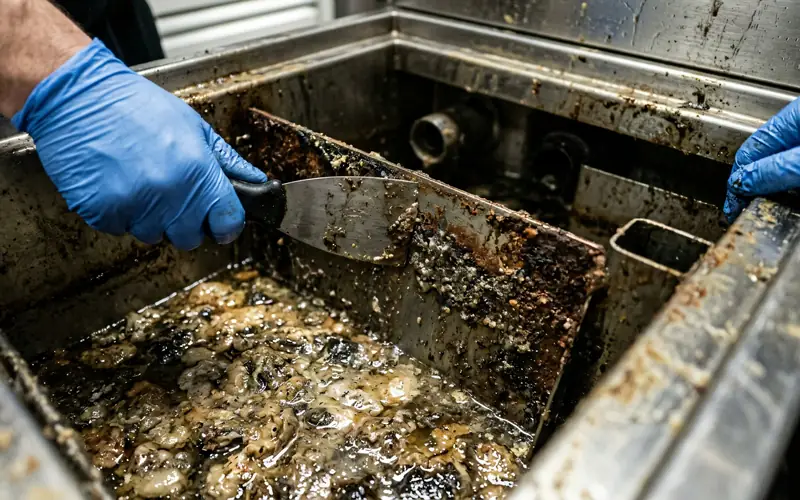
Grease Trap Cleaning
Cleaning a grease trap generally involves emptying it and removing deposits from accessible parts, such as the baffle and outlet tee. Consider grease trap cleaning if those surfaces remain coated after emptying. Grease collecting around the outlet can make it harder for wastewater to pass through.
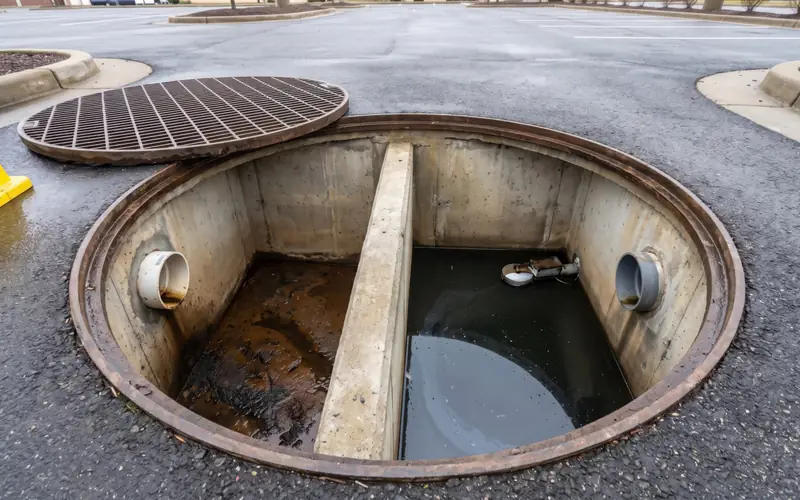
Grease Interceptor Cleaning
The interceptor has been pumped, yet deposits remain stuck to its interior. When arranging grease interceptor cleaning, ask whether the provider will clear the accessible outlet tee. This work generally combines removal of the contents with clearing residue from reachable surfaces inside the tank.
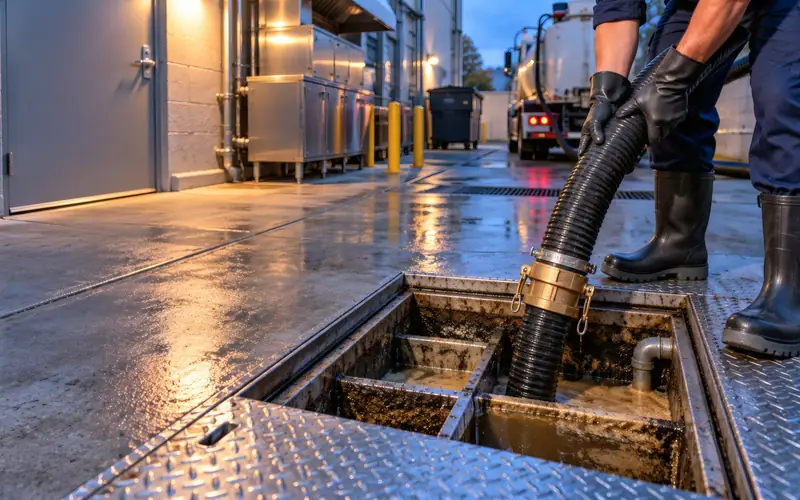
Grease Interceptor Pumping
When you call, ask if the pump-out includes the solids that settle on the bottom. Leaving them behind reduces the space available for wastewater. Grease interceptor pumping generally covers removal of the grease layer, wastewater and settled material from the tank.
What to Have Ready When You Call
A few details can help the service provider assess your needs and discuss the right appointment.
- Your service address and ZIP code.
- Whether you have an indoor grease trap or an outdoor interceptor.
- The unit’s size, if known.
- Approximately when it was last pumped.
- Any backup, odors, slow drainage, or inspection deadline.
- The number of units or locations needing service.
Share what you know. You do not need every detail before calling.
Local grease trap requirements
What the local rules say (Ordinance 38):
- Who they cover: The grease rules apply to all food service establishments.
- When a device is required: All food service establishments must be equipped with grease interceptors and/or grease traps.
- Registration and permits: For all new construction, tenant improvements, and changes of business ownership, a Food Service Permit Application and Menu must be submitted to the District.
Rules can change, so confirm the current requirements with the city or sewer district before an inspection.
Sources: unionsanitary.ca.gov (fats oils and grease); unionsanitary.ca.gov (fog faq)
Nearby service areas
The same number reaches providers serving nearby areas. Businesses with more than one location can call once per site and enter each ZIP code.
Common grease trap questions
How often do Newark restaurants need grease trap pumping?
The right pumping schedule depends on your trap’s size, what’s on the menu and how much wastewater passes through it. Local requirements may also affect timing. Your sewer utility may also set a schedule or a fullness limit, so ask it before you settle on one. Keep your service records to help a provider suggest a schedule.
Do providers serving Newark handle in-ground interceptors?
Many providers handle in-ground interceptors, although availability varies. Identify the unit you have and check its size in your service records, if available. Call to ask whether that equipment can be serviced.
Who will I be speaking to when I call?
After the ZIP-code prompt, you will speak with an independent service provider serving your area. You can discuss the work, confirm pricing and availability, and book directly with that company. This website helps connect callers with service providers; it does not perform the cleaning.